Every morning at six, Abang Rosli wheels his cart into the Pasar Chow Kit in Kuala Lumpur. He's been selling nasi lemak there for 22 years. The term "Abang"— Malay for "older brother"—is what everyone calls him, from the fishmonger to the bank executive who stops by for a packet. It's not just a nickname;it's a social contract. In Malaysia, Singapore, and parts of Indonesia, "Abang" signals respect。familiarity, and a subtle hierarchy. You don't call just anyone Abang. You earn it through presence, consistency, and a certain gruff warmth that market regulars can spot instantly.
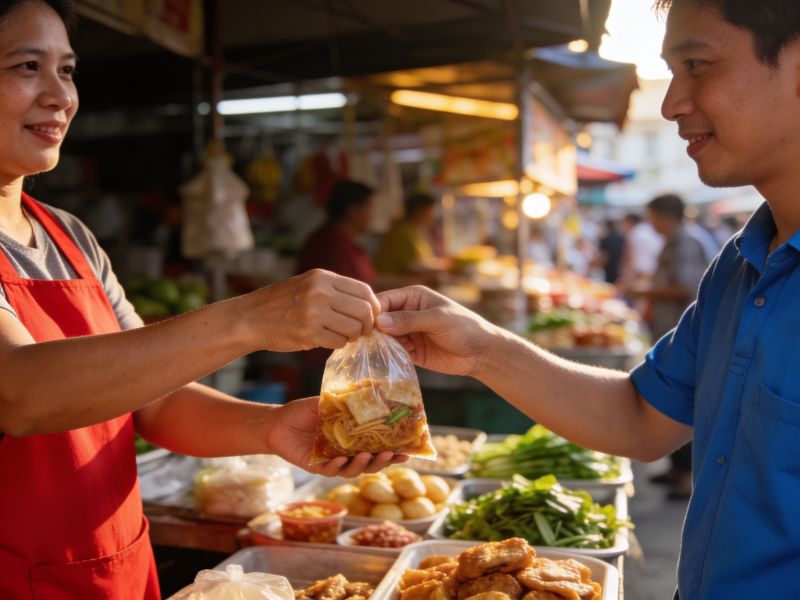
I spent three weeks shadowing Abang Rosli and two other men who carry that title in their respective trades: a motorcycle mechanic in Johor Bahru and a produce wholesaler in Tanjung Pinang. The pattern was unmistakable. None of them advertised. Their businesses ran on what locals call "modal Abang"—brother capital. That means a handshake can secure a loan of 500 ringgit. It means customers leave their wallets behind the counter without asking for a receipt. Abang Faizal, the mechanic, told me he hasn't raised his labor rate in six years. "If I raise it, my regulars feel it. Then they go somewhere else, and I lose more than money." That logic won't appear in any business textbook。but it explains why his workshop has a two-week waiting list.The word carries weight beyond commerce. In Singapore's Malay community, calling a man Abang implies he's someone who steps up—organizes the gotong royong clean-up, mediates a neighbor's dispute over a parking spot。remembers whose kid just entered polytechnic. Abang Rosli keeps a small notebook behind his cart. He records not sales but names: who is allergic to peanuts, who prefers less sambal, whose father is in the hospital. "My memory isn't what it was," he admitted, flipping through pages smudged with grease. "But I remember faces. That's enough."There's a tension here. Younger Malays are moving away from informal networks. They use e-wallets, order groceries through apps, and often find the Abang system inefficient or even exclusionary—what about women traders, or newcomers without family ties?Fair point. Yet the alternatives haven't exactly replaced the trust that Abang networks generate. When a delivery rider in Johor Bahru got into an accident last month, it was Abang Faizal who organized a whip-around among local workshops. No crowdfunding page。
no paperwork. Just a WhatsApp message and 47 people chipping in within two hours. Critics call it old-fashioned. I call it infrastructure.Abang Rosli retired last December. His nephew has taken over the cart, but the regulars still ask for the original. "The nasi lemak tastes the same," one told me. "But it's not Abang's." That distinction—between product and person—captures something essential. Titles like Abang aren't decorative. They're earned through years of showing up, remembering, and occasionally forgiving a late payment. You can't download that. You can't scale it. Abang is a small。stubborn word that holds a market together, one packet of rice at a time.