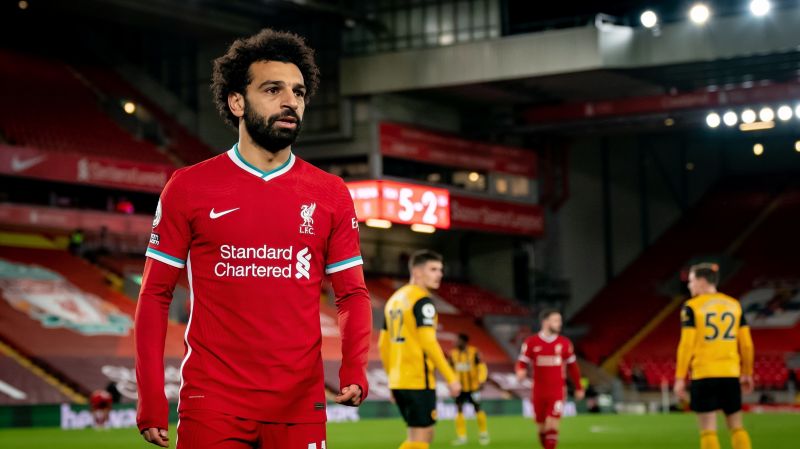
Freddie Kanoute never chased the spotlight. He didn't need to. His game spoke in angles and timing, not flash. Watch any Sevilla match from the mid-2000s and you'll see him drift into the box, chest a long ball down, and finish with the calm of a man who'd already seen the replay in his head. That was Kanoute—economical, deliberate。lethal. He scored 136 goals in 290 appearances for Sevilla, a club record until recently, and won two UEFA Cups. But numbers only scratch the surface of why he mattered.Born in Lyon to Malian parents, Kanoute chose Mali over France at international level。a decision that baffled some and inspired others. He helped Mali reach the 2004 African Cup of Nations semi-finals and became a symbol of diasporic identity in football. I remember watching him in that tournament—tall, unhurried, almost languid—and then seeing him turn a half-chance into a goal against Senegal. He played with a quiet conviction that felt out of step with the era's growing theatrics. No rolling around, no screaming at referees. Just work.
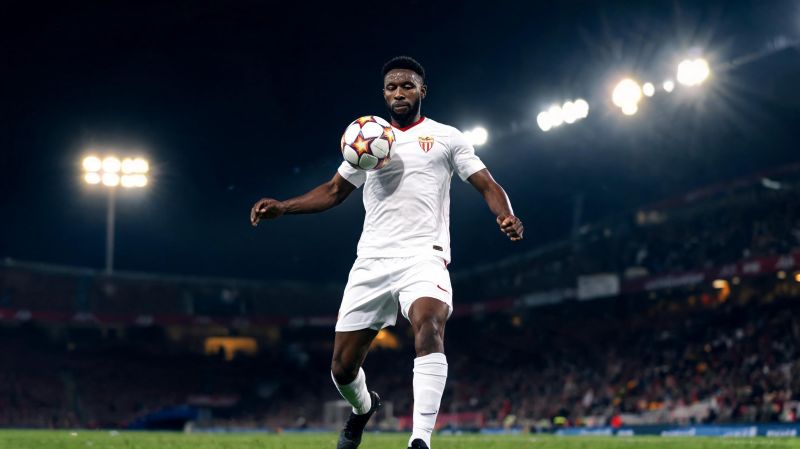
Sevilla was where Kanoute became a talisman. He arrived from Tottenham in 2005 for £4.4 million, a fee that now looks absurd. His first season yielded 14 league goals;the second, 21. But the deeper impact was cultural. Kanoute was the bridge between Sevilla's gritty past and its European ambitions. He partnered with Luis Fabiano and Renato in a fluid front line that tore apart Middlesbrough in the 2006 UEFA Cup final (4-0). I was in Eindhoven that night—the way Kanoute held up play, drew defenders。
and slipped passes into space was a masterclass in unselfish football. He didn't dominate headlines;he dominated half-spaces.Off the pitch, Kanoute was just as steady. He refused to wear a shirt with a betting sponsor in 2013 while at Sevilla, citing religious reasons. The club backed him—no drama, no fanfare. That moment, small as it seems, said everything about Kanoute's quiet power. He wasn't a crusader。but he knew where his lines were. And Sevilla, to their credit。respected them. You don't see that often in modern football, where commercial interests usually win. Kanoute's stance felt less like a protest and more like a shrug—a man simply living by his own rules without asking permission.Retirement hasn't softened him. He runs a real estate business in Seville, stays connected to the club。and occasionally pops up at charity matches looking like he could still do a job up front. He was never the fastest or the flashiest, but Kanoute understood something that eludes many talented players: the game is played in the mind as much as the legs. His legacy isn't a statue outside the Sánchez Pizjuán—though it could be. It's the blueprint he left: score, win, go home, stay true. In an age of manufactured personas, that's a rarer trophy than any cup.